New World screwworm emphasizes importance of fast wound healing
FORT WORTH, TEXAS (July 16, 2026) – Wound care monitoring and management is more important than ever, due to the arrival of New World screwworm (NWS) in the United States for the first time since the 1960s.1
The larvae of the NWS feed on living tissues of warm-blooded animals. At this time, most U.S. cases have been identified in cattle, but NWS can affect horses, dogs, and cats. Any open wound is a potential infestation site — including post-surgical wounds after a neuter or spay, a small paw pad tear after stepping on a thorn, a regular hot spot, or a traumatic wound.2
“The key to preventing NWS infestations is to monitor wounds closely and encourage fast healing,” advised Acacia Roman, DVM, Technical Services Veterinarian with Vetoquinol USA, who practiced in Puerto Rico and has experience monitoring for NWS due to infestations in nearby countries. “Today, we as veterinarians have the added pressure of wanting fast healing so we don’t give New World screwworm the chance to lay eggs in the wound and cause even more damage.”
Here are Dr. Roman’s top tips for encouraging fast wound healing in dogs, cats, and horses:
- Surveillance, including encouraging clients to inspect animals for wounds regularly and including skin checks during any visit.
- Monitor for ectoparasites that may create open skin wounds and underscore the importance of regular flea and tick prevention with clients.
- Address all wounds immediately. Veterinarians in, or near, confirmed detections of NWS should recommend clients check their pets regularly, even inspecting paws for puncture wounds after walks. Check pets for hot spots, cuts, or scrapes so treatment can begin right away.
- Customize wound management. There are many options for cleaning and protecting wounds. Where possible, bandages can help protect open areas from fly strikes. For horses, protective sprays like AluSpray® can help encourage healing where bandages aren’t possible. For cats, dogs, and horses, fluorescent light therapy can help speed wound healing up to twice as fast.3
A proven fluorescent light therapy system for pets, like Phovia®, can help accelerate natural skin regeneration for most lesions when compared to antibiotic and topical treatments alone.4 The once-a-week sessions also can be used as a touchpoint to monitor and inspect wounds by veterinary staff, Dr. Roman advised.
“Phovia was developed specifically for pets and can be used along with immunomodulators, steroids, and most antibiotics to give veterinarians another tool in their wound-healing kit,” she said. “We always want wounds to heal as quickly as possible. Now, New World screwworm makes it even more important to provide the best wound care possible to our pets and horses.”
Company Contact Information
Consumers:
Vetoquinol USA Account Services
800-267-5707
customerserviceusa@vetoquinol.com
For media requests:
About Vetoquinol USA
Headquartered in Fort Worth, Texas, Vetoquinol USA, Inc. is owned by Vetoquinol S.A., an independent, family-owned French pharmaceutical company founded in 1933. Dedicated exclusively to animal health, Vetoquinol USA is focused on the development, production, and marketing of AAFCO, NASC, EPA, and FDA-regulated pharmaceutical, nutritional, and dermatological products for small and large animals.
Additional resources for New World Screwworm:
U.S. Food & Drug Administration. New World Screwworm: Information for Veterinarians
American Veterinary Medical Association (AVMA). New World screwworm (NWS)
Centers for Disease Control and Prevention. About New World Screwworm
USDA Animal and Plant Health Inspection Service. Confirmed Detections of New World Screwworm
1. United States Department of Agriculture. (2000) Selections from the Screwworm Eradication Collection: 1956-1959. https://www.nal.usda.gov/exhibits/speccoll/exhibits/show/stop-screwworm…. [Access date: July 14, 2026]
2. American Veterinary Medical Association. (2026) New World screwworm (NWS). https://www.avma.org/resources-tools/one-health/veterinarians-and-publi…. [Access date: July 14, 2026]
3. Marchegiani, A., et al. (2021) The Effectiveness of Fluorescent Light Energy as Adjunct Therapy in Canine Deep Pyoderma: A Randomized Clinical Trial. Vet Med Int, 6643416.
4. Apostolopoulos, N. and Mayer, U. (2020) Use of fluorescent light energy for the management of bacterial skin infection associated with canine calcinosis cutis lesions. Vet Rec Case Rep, 8,e001285.
©2026 VETOQUINOL USA, Inc. VETOQUINOL and PHOVIA are trademarks of VETOQUINOL. PHOVIA is manufactured by KLOX TECHNOLOGIES and distributed by VETOQUINOL USA under license from KLOX TECHNOLOGIES. PHO-26-00015
Latest news
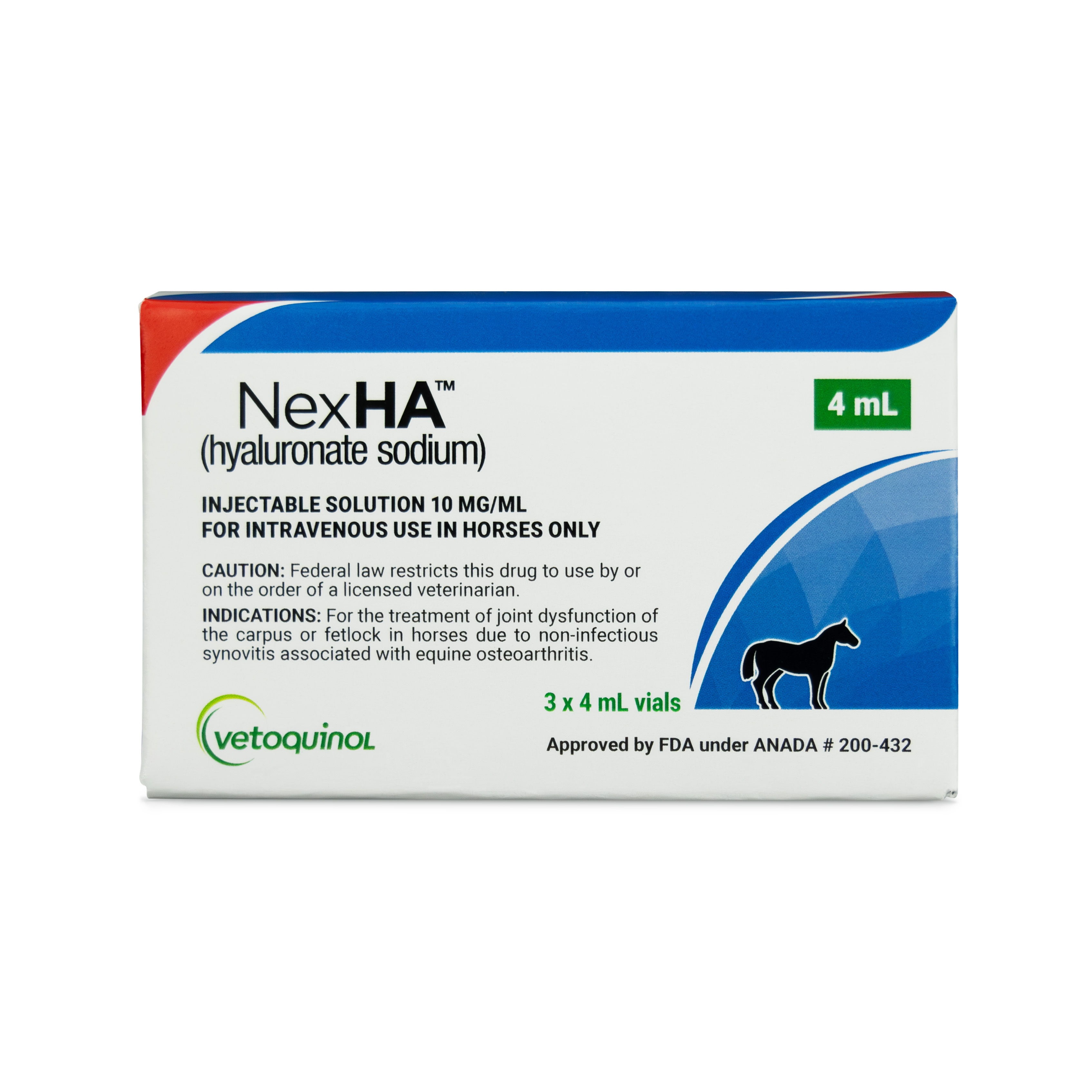
NexHA™ (hyaluronate sodium) Injectable Solution now available in a 3-vial box
July 2026
November 2025
Vetoquinol, Expert Educators Join Forces to Create Online Veterinary Rehabilitation Courses
April 2025